
Parv Paryushan in Jainism – Meaning, 8 Days Significance, Importance of Tapasya
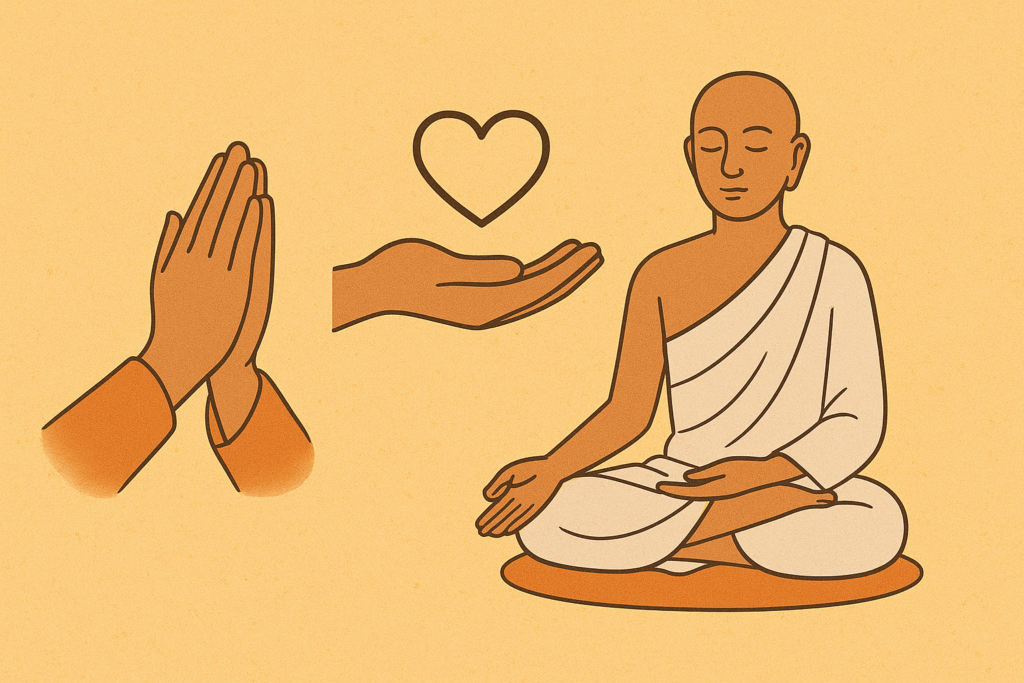
Discover the true meaning of Parv Paryushan in Jainism. Learn about its 8 days celebration, daily significance, importance of tapasya, and how it helps lessen paap karma through forgiveness and self-purification.
The Festival of the Soul
Parv Paryushan is the most sacred and spiritually uplifting festival in Jainism. Unlike festivals of external celebration, Paryushan Parv is an inward journey—a time to cleanse the soul, shed karmic bonds, and walk towards liberation (moksha). It is observed with deep devotion, fasting (upvaas), meditation, and forgiveness.
The word Paryushan is derived from two Sanskrit roots – pari (all around) and ushan (to stay close). It means staying close to your soul and true self. Jains across the world celebrate it with sincerity, discipline, and the resolve to reduce their paap karma (negative karmic bondage).
The Duration – 8 Days of Purity
Paryushan is celebrated differently in Svetambara and Digambara traditions:
- Shvetambar Jains observe 8 days of Paryushan.
- Digambar Jains observe it for 10 days, known as Das Lakshan Parv.
Here we will focus on the 8 days of Paryushan celebrated in the Svetambara tradition.
Meaning of Each Day of Paryushan
Each of the eight days has a deep spiritual significance, guiding Jains towards purity, compassion, and detachment:
- Day 1 – Meditation and Self-Reflection
The beginning of Paryushan is about introspection – turning inwards and realizing how we can purify our thoughts, words, and deeds. - Day 2 – Practice of Ahimsa (Non-Violence)
Devotees reflect upon avoiding harm to even the tiniest beings. It is a day to be mindful of speech and actions. - Day 3 – Truthfulness (Satya) and Righteous Conduct
Jains focus on practicing honesty and speaking only what is necessary and kind. - Day 4 – Non-Stealing (Achaurya)
This day emphasizes refraining from taking anything that is not willingly given. - Day 5 – Brahmacharya (Celibacy/Control of Desires)
A reminder to discipline one’s senses and live a life of purity. - Day 6 – Non-Possessiveness (Aparigraha)
Jains focus on reducing attachment to material wealth and relationships. - Day 7 – Forgiveness (Kshama)
This is one of the most important aspects – seeking forgiveness from all living beings for conscious and unconscious harm done. - Day 8 – Samvatsari (The Day of Universal Forgiveness)
The last day is the holiest – when Jains perform Pratikraman (repentance) and say “Micchami Dukkadam” – “If I have hurt you in any way, knowingly or unknowingly, I ask for forgiveness.”
Why is Paryushan Important?
Paryushan is not just a festival but a spiritual cleansing process. Its importance lies in:
- Purification of Soul – By fasting and prayers, karmic layers are shed.
- Self-Discipline – Helps control desires and live a mindful life.
- Forgiveness – Teaches us to let go of grudges and embrace compassion.
- Path to Moksha – Strengthens virtues that lead towards liberation.
Lessen Your Paap Karma in 8 Days
During Paryushan, Jains follow strict vows to minimize their karmic bondage:
- Fasting (Upvaas & Tapasya): Many Jains undertake complete fasts, while others do Ekasan (eating once a day) or Biyasana (eating twice a day). Fasting reduces indulgence and purifies the body.
- Pratikraman (Repentance): A ritual performed daily to reflect upon and repent for mistakes.
- Meditation & Swadhyaya: Reading scriptures like Kalpasutra and meditating on Jain philosophy helps realign one’s soul.
- Charity (Daan): Supporting monks, nuns, and the needy helps in shedding greed and attachment.
- Forgiveness (Kshamapana): By forgiving others and seeking forgiveness, one dissolves anger and pride.
Tapasya – The Core of Paryushan
Tapasya (austerity) is at the heart of Paryushan. It is the conscious practice of self-control to burn karmic impurities. Tapasya can be:
- Anshan: (Upwas) Complete fasting.
- Unodari: Eating less than hunger demands.
- Ekasan/Biyasana: Eating once or twice in a day.
- Vritti Sankshep: Limiting the number of items or food sources.
- Kaya-Klesh: Bearing hardship with equanimity.
Through Tapasya, Jains believe they can weaken and shed accumulated karma, bringing the soul closer to its pure state.
Conclusion – A Festival of Liberation
Parv Paryushan is not about external celebration but about inner transformation. It reminds us that true happiness lies in purity of the soul, forgiveness, and compassion. Each day of Paryushan is an opportunity to shed karmic bondage and move closer to liberation.
As the festival culminates with Samvatsari, Jains across the world bow to each other with folded hands, saying:
“Micchami Dukkadam – May all the evil I have done be fruitless.”
This universal message of forgiveness, humility, and purity makes Paryushan one of the most profound spiritual festivals in the world.